As an Amazon Associate I earn from qualifying purchases.
For many North American travelers, a Central Europe itinerary through the historic “Imperial Triangle”—Prague, Vienna, and Budapest—is a dream come true.The classic “Imperial Triangle”—Prague, Vienna, and Budapest—offers a perfect blend of fairytale architecture, deep-rooted history, world-class classical music, and vibrant thermal bath cultures. Because these three magnificent capitals are connected so seamlessly by train and scenic Danube River cruises, they naturally form the ultimate week-long or 10-day vacation itinerary.
However, maximizing your time in Central Europe requires careful planning. How do you skip the notorious lines at Prague Castle? What is the best way to experience a Mozart concert in Vienna? And which historic thermal bath should you choose in Budapest? To help you navigate like a pro, we have curated the absolute best, highest-rated guidebooks available today that cover this specific route.
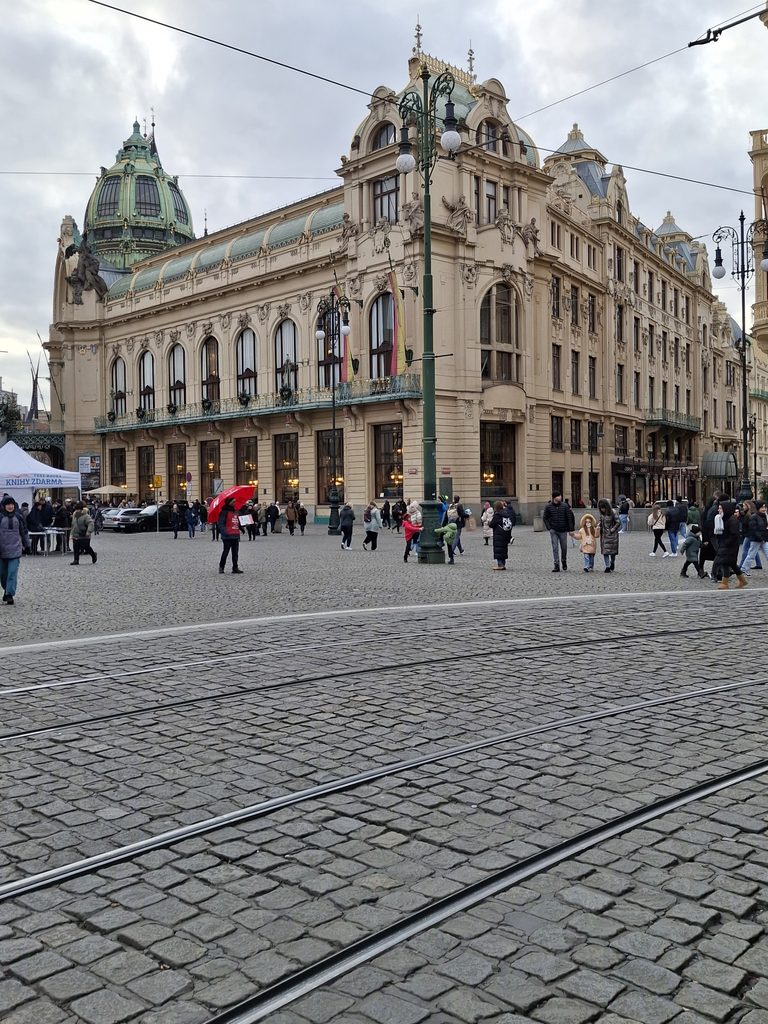
How to Travel by Train on Your Central Europe Itinerary
A truly smart traveller knows that flying between these Central European capitals is a waste of time and money. The rail network connecting the Czech Republic, Austria, and Hungary is exceptionally efficient, punctual, and scenic. European trains take you directly from city center to city center, saving you from airport security lines and long taxi rides.
The journey from Prague to Vienna takes approximately 4 hours via the sleek EuroCity or RegioJet trains. From Vienna to Budapest, the high-speed Railjet train gets you to your destination in just under 2 hours and 30 minutes. Booking your train tickets in advance through official platforms guarantees the best prices and reserved seating, allowing you to enjoy the beautiful rolling hills of Central Europe in absolute comfort.
Where to Stay on Your Central Europe Itinerary
To make the most of your Central Europe itinerary, your hotel location is critical. Staying near the major transit hubs or inside the historic old towns ensures you waste zero time commuting.
In Prague, look for boutique hotels in the Old Town (Staré Město) or Lesser Town (Malá Strana). These neighborhoods place you within walking distance of the Charles Bridge and Prague Castle. In Vienna, staying near the MuseumsQuartier or along the famous Ringstraße boulevard gives you immediate access to world-class museums and imperial palaces. For Budapest, the most strategic choice is the vibrant Jewish Quarter (District VII) for its incredible food scene, or near the iconic Hungarian Parliament building for stunning Danube views.
The Best Travel Literature for Your Central Europe Itinerary
The best way to prepare for your journey is to browse the options, read the latest reviews, and find the layout that matches your personal travel style. Whether you need a compact pocket guide just for the highlights or a massive cultural history book, the ultimate collection of Central European travel literature is just a click away.
1. Moon Prague, Vienna & Budapest (Travel Guide)
• The Vibe: Practical, strategic, and highly detailed.
• Why it’s essential: Written with the independent traveler in mind, this guide excels at creating realistic multi-city itineraries. It provides great maps, reliable train travel advice between the capitals, and strategic “Top 10” lists for every city to make sure you don’t miss the icons like the Charles Bridge or the Hungarian Parliament.
2. Rick Steves Central Europe / Eastern Europe Editions
• The Vibe: The ultimate American favorite for cultural immersion.
• Why it’s essential: Rick Steves is a household name for US travelers in Europe. His guides don’t just tell you what to see; they teach you how to travel smoothly. From money-saving tips to deep cultural contexts of the Habsburg Empire, this is your best companion for a self-guided walking tour.
3. DK Eyewitness Prague, Vienna and Budapest
• The Vibe: Visual, stunning, and highly illustrative.
• Why it’s essential: If you are a visual planner, this is the gold standard. Filled with 3D cutaway illustrations of major sights like Schönbrunn Palace or the Buda Castle, custom neighborhood maps, and beautiful photography, it helps you visualize your journey before you even pack your bags.
Practical Tips for Your Central Europe Itinerary
Before you pack your bags for this magnificent trip, keep a few logistical tricks in mind. While Austria uses the Euro, the Czech Republic utilizes the Czech Koruna (CZK), and Hungary uses the Hungarian Forint (HUF). Credit cards are universally accepted, but having a small amount of local currency is always useful for small vendor purchases.
Additionally, purchasing skip-the-line tickets for major attractions like Prague Castle or the Schönbrunn Palace online beforehand will save you hours of waiting in line, leaving you more time to enjoy the rich culture of Central Europe.
Want to know more about the vision behind these smart itineraries? Read more [about me and the Travel Library here].